Saltwater Pool Systems in 47 Maple RdGeorge Town
Saltwater pool systems that keep Cayman pools clear, balanced, and comfortable year-round.
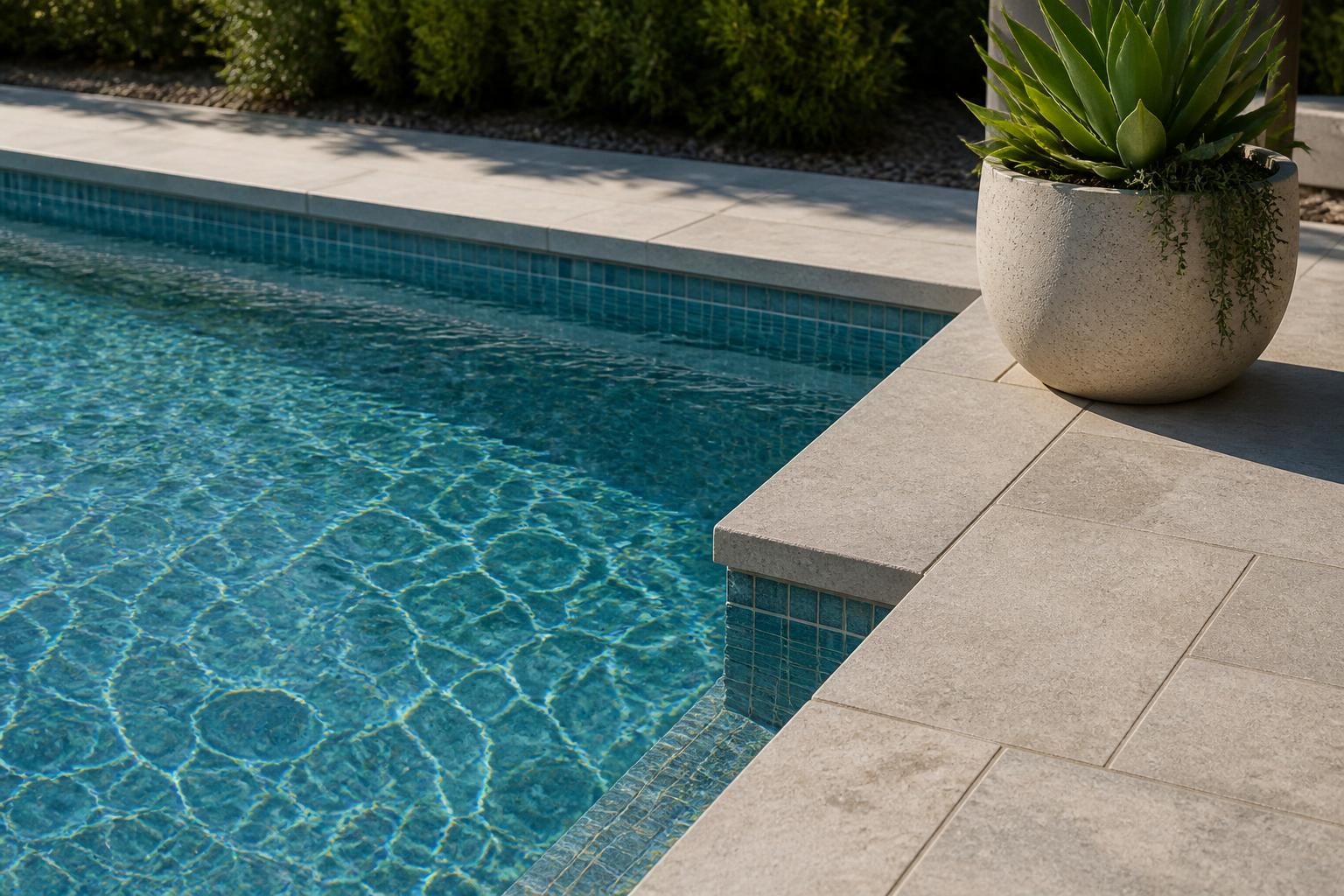
Saltwater pool systems that keep Cayman pools clear, balanced, and comfortable year-round.
If your pool water feels harsh, your salt cell is scaling up, or the chlorine level keeps drifting after a rainstorm, the system needs more than a quick dose of chemicals. Saltwater pools depend on the right balance of water chemistry, circulation, and equipment sizing, especially under Cayman heat, UV, evaporation, and coastal exposure.
Cayman Pool Builders at 47 Maple RdGeorge Town designs and services saltwater pool systems for residential, villa, condominium, hotel, resort, and commercial pools across Grand Cayman. We look at the full chain from pool volume and turnover rate to pump selection, filtration, chlorination, and return circulation, so the system matches how the pool is built and used.
A saltwater pool is not just a salt cell dropped into an existing pool. It begins with circulation design, equipment placement, and a clear plan for how water moves through skimmers, suction outlets, filters, heaters or chillers, and return jets. When those parts are matched to the pool volume and daily use, the water stays more consistent and the cell is not forced to work beyond its design range.
We assess the shell, the plumbing layout, the equipment pad, and the water chemistry profile before recommending a saltwater system. On coastal Cayman properties, that review matters because salt exposure, wind-driven debris, and high evaporation can change how often the pool needs makeup water, balancing, and cleaning.
Saltwater does not remove the need for chemistry management. The pool still needs correct free chlorine, pH, total alkalinity, calcium hardness, cyanuric acid, and salinity. If one parameter drifts, the water can turn cloudy, scale can form on the cell, or swimmers may feel irritation from imbalanced conditions.
In Grand Cayman, tropical sun can burn off chlorine faster, while wet season rainfall can dilute salinity and shift pH and alkalinity. That is why saltwater pool systems need regular testing and adjustment, not guesswork. We check whether the cell output, circulation time, and sanitizer demand are aligned with how the pool is actually being used.
Saltwater performance starts with hydraulic design. Pool volume determines turnover rate, turnover rate determines design flow, and design flow drives pipe sizing, head loss, total dynamic head, and pump selection. If the pump curve does not match the real resistance of the plumbing, the cell may see weak flow, the filter may load too fast, or the returns may not move water evenly across the pool.
At Cayman Pool Builders, we look at suction outlets, main drains, skimmers, return fittings, valves, and the equipment room arrangement as a single system. That approach is important for long, narrow pools, elevated spa spillways, infinity and perimeter-overflow edges, and larger commercial or resort installations that need stable circulation across multiple zones.
Saltwater systems depend on sound installation details, especially when the pool sits on limestone or waterfront ground conditions common across Cayman. We evaluate subgrade, excavation conditions, groundwater, and hydrostatic pressure before tying the salt system into the plumbing and electrical layout. Penetrations, bonding, grounding, and equipment clearances all matter because a salt system runs continuously and exposes metal components to a more corrosive environment than freshwater-only setups.
We also consider the finish materials around the pool. Coral stone, travertine, porcelain pavers, and slip-resistant decking need to be selected with salt exposure, splash-out, and maintenance access in mind. A saltwater pool can be a refined part of a villa courtyard, a hotel deck, or a condominium amenity space, but the finish package has to suit the chemistry and the use case.
Even a well-designed saltwater pool needs routine care. Salt cells collect scale, filters trap debris, and bather load changes sanitizer demand. We service saltwater systems by checking cell condition, inspecting flow, cleaning filtration components, and reviewing chemistry so the pool stays clear through heat, rain, and heavy use.
Cleaning also includes brushing surfaces, vacuuming sediment, and managing wind-blown debris that can enter the pool during stormy periods. For larger properties, equipment such as robotic cleaners, suction cleaners, or pressure cleaners may be used alongside manual cleaning methods. Pentair, Jandy, Hayward, Polaris, and Dolphin/Maytronics equipment are commonly serviced when they are already part of the system.
When a salt system is undersized, aging, or tied to outdated equipment, we can upgrade the circulation and treatment side without rebuilding the entire pool. That may include replacing a worn salt cell, improving pump selection, adding automation, adjusting pipework, or reworking filtration and return circulation so the system can handle real pool demand more efficiently.
We also handle pool and equipment repair where salt exposure has affected fittings, valves, heaters, light niches, or accessories around the deck. On coastal properties, that kind of review matters because corrosion can travel from one weak point to another if the source is not addressed at the equipment room and plumbing level.
Saltwater systems in Cayman face a different operating environment than inland pools. Strong UV can reduce sanitizer life, evaporation can concentrate dissolved solids, and wind can carry debris, pollen, and fine dust into the water. Wet season rainfall can dilute salinity and overflow balance tanks on overflow-style pools if the system was not sized for local conditions.
That is why saltwater design for George Town, Seven Mile Beach, West Bay, Bodden Town, South Sound, Camana Bay, Savannah, Prospect, North Side, Rum Point & Cayman Kai, and East End should be treated as site-specific work. The same system that performs well on one property may need different pump sizing, cell capacity, or hydraulic balancing on another.
The system dissolves salt into the water and passes it through a chlorine generator, where electrolysis converts the salt into free chlorine. That chlorine sanitizes the pool and then converts back as the cycle continues.
No. Saltwater pools still need regular checks for free chlorine, pH, alkalinity, hardness, salinity, CYA, and TDS. The generator helps with sanitizer production, but it does not replace water balance.
Scale often forms when pH, calcium hardness, alkalinity, or water temperature drift upward. Cayman heat and evaporation can make those changes happen faster, so cell inspection and balancing are important.
Yes, if the circulation, hydraulics, and equipment layout can support it. Older pools may need a pump upgrade, plumbing review, or equipment changes before a salt generator is a good match.
Quartz, pebble aggregate, Diamond Brite, waterline tile, and durable coping materials are commonly selected for salt exposure. We also consider coral stone, travertine, and porcelain pavers where the deck and edge details need to suit the site.
Heat, UV, evaporation, wet weather, coastal salt exposure, and limestone conditions all affect how a salt system performs. A design that accounts for those factors helps the pool stay clearer and easier to manage.
If you need a new saltwater pool system, a conversion, or a closer look at your existing equipment, Cayman Pool Builders can review the pool from hydraulics to chemistry and recommend a practical path forward. Visit us at 47 Maple RdGeorge Town or call +16477005472 for saltwater pool systems tailored to Cayman conditions.
For email correspondence, contact [email protected]. We work with homeowners, villas, condominiums, hotels, resorts, and commercial properties across Grand Cayman.

Start Your Project
Tell us what you want to build or improve, and we will help you choose the right design, construction, or service direction.